

Pro-Q Smokers & BBQs
Pro-Q Smokers & BBQs

Winter BBQ: 6 Tips for Cold-Weather Cooking

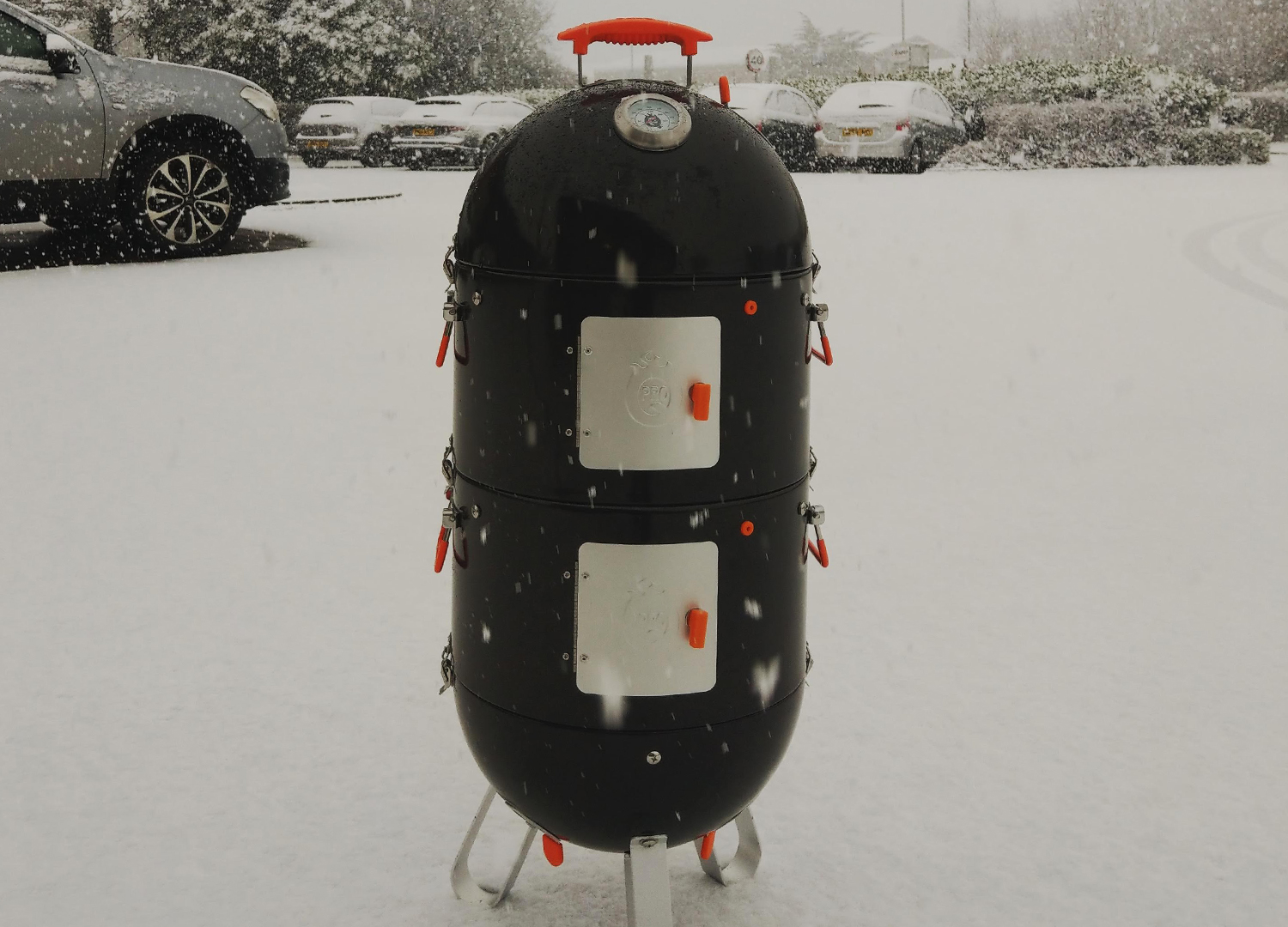
It's been a long, hot summer and the evenings are drawing in, but that doesn't have to mean the end of barbecues. In fact, sitting by a warm fire cooking something hearty is a wonderful experience when it's frosty out. We've been cooking BBQ every winter since 2008, and cook Christmas turkey on the smoker every year without fail! Here are our six tips to help you get more outdoor cooking done this winter.
1. Pick the right recipes
Nobody wants to be standing outside grilling in the wind and rain, so opt for something a little more hands-off. Perhaps now's the time to dip your toe into some low and slow cooking with an OTT Chilli, beef cheeks for a stew, or maybe even try your first brisket? Anything that you can cook with the lid on is perfect.
2. Do your prep inside
Get everything ready to go indoors: meat prepped and ready for the grill, and all the tools you need on a tray, including a spritz bottle, tongs, mitts, trays for cooked meat and anything else you might need. A bit of planning will save you trips outside and keep your hands in your pockets whilst you're out there.
3. Tech support
Whilst not essential, there are definitely some nice-to-have gadgets that can make life easier. A remote meat thermometer means you can keep an eye on the smoker temperature as well as set an alarm for when your meat reaches its target internal temperature. It's that or the binoculars so you can see the temperature gauge from indoors.
4. Expect the weather
As changeable as the weather can be in the winter months, it's worth checking the weather report. Check your barbecue manufacturer's guidance for use in cold or wet weather, and remember that things get tricky when the wind gets too strong. Always keep your barbecue outdoors, never in a garage or enclosed space.
It goes without saying, but we'll say it anyway: avoid lighting fires if there are any weather warnings. The last thing you want is a hot barbecue blowing over.
5. Adjust your fire
Smokers will burn more fuel in the cold, and a breeze blowing into the air intake can affect the fire, so keep an eye on how it's burning. If you usually use water in the water pan, it can help to try one of the alternative water-pan setups and run it dry to help keep your temperature up. You could also start with a bit more lit coal in your charcoal basket to ensure the fire gets a strong start.
6. It'll sometimes take longer
If the temperature is low and the wind is brisk, your smoker may run at a lower temperature than usual, so cooking can take longer. It's much easier to start earlier and allow time to rest your meat once it's cooked than to try to be ready exactly at dinner time, and resting will improve the outcome anyway.